Choosing a Barcelona Day Tour in Ciutat Vella That Fits Your Day
A barcelona day tour can cover a lot of ground in a short time, but the best choice depends on how you want to spend the hours you have. Ciutat Vella is a useful starting point because its lanes, squares and transport links put many central sights within reach. Before comparing options, settle the basics: when you want to start, how much walking feels comfortable, which places matter most and whether you prefer a set plan or free time.
The aim is not to find the fullest itinerary. A packed schedule can feel rushed once you account for queues, busy pavements, lunch and the simple fact that some places deserve a slower look. A good barcelona day tour leaves room for the city to be enjoyed, not just ticked off.
Start with the shape of your day
First, decide whether you want a morning departure, a later start or a plan built around the afternoon. Early starts can feel easier around popular landmarks, while a later start may suit a relaxed morning near the waterfront or in the old streets. Think about the return point too. An afternoon return near a metro stop or a central square can make the rest of the day much simpler.
Next, set a realistic walking level. Ciutat Vella has narrow streets, uneven paving and busy crossings. Some routes are mostly on foot, while others include transport between stops. If mobility is a concern, read the route description carefully and confirm whether there are rest stops, seating and a slower pace. When in doubt, ask before booking rather than trying to change plans on the day.
A flexible schedule is worth considering if you are travelling with children, older relatives or anyone who likes to linger. A fixed plan has its place when there are timed entries or a guided itinerary that connects several major sights. The trade-off is clear: structure gives you coverage, flexibility gives you breathing space.
Choose the landmarks you actually care about
Make a short list of essential landmarks before you compare tours. Some visitors want the great buildings and wide boulevards. Others care more about old lanes, markets, harbour views or food stops. Barcelona rewards both approaches, and trying to include everything often means seeing each place in a hurry.
Group your priorities by area. If several must-see stops sit close together, a walking route can be smooth. If they are spread across the city, look for a plan that uses transport sensibly. Do not assume that a long list of stops is a sign of quality. A route with fewer places and more context can be easier to remember and far more pleasant.
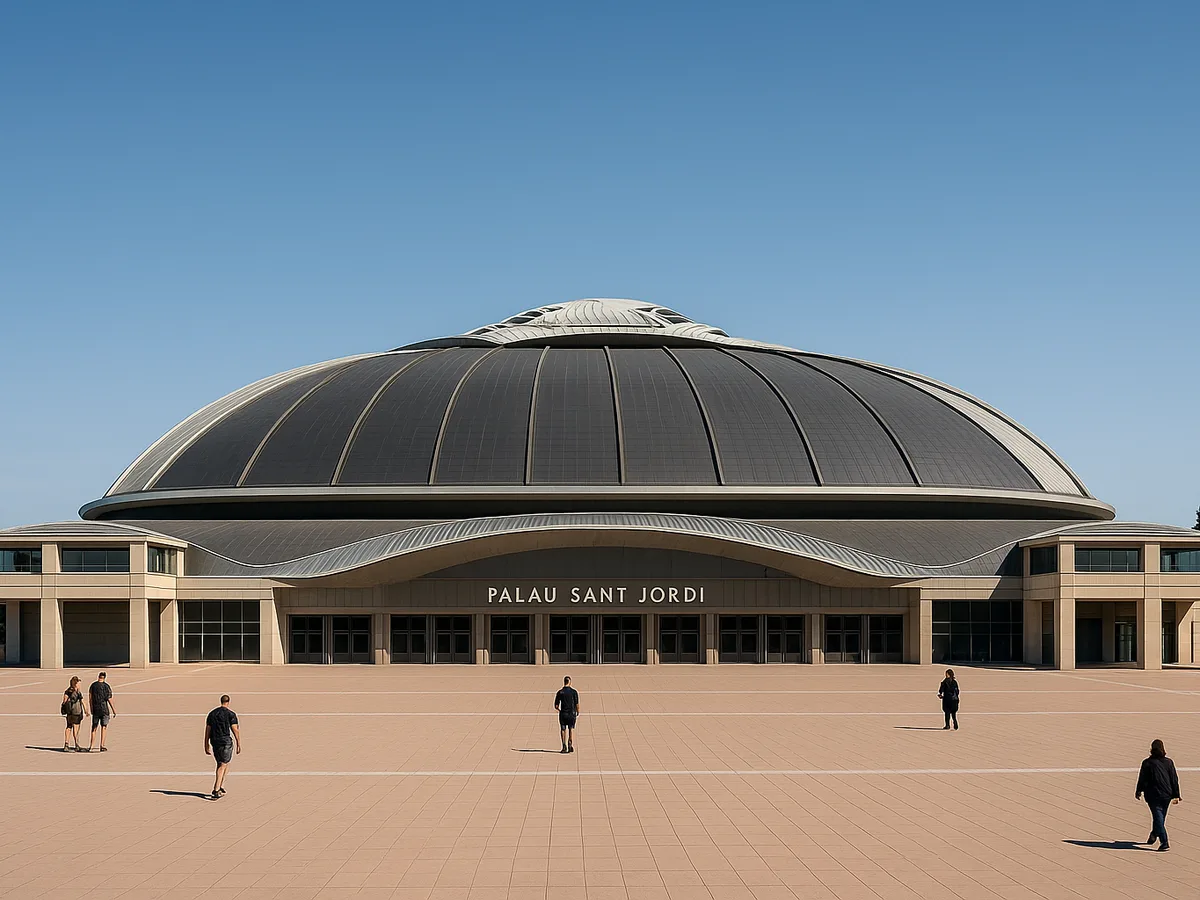
Check how each stop is handled. Some visits are exterior only, some include time inside, and some rely on skip-the-line access where available. These details change the feel of the day. Seeing a famous building from the street is different from entering it, and both can be worthwhile if you know what you are choosing.
Read the itinerary like a practical plan
A good written itinerary tells you more than a list of names. Look for start point, end point, timing, breaks and what happens between stops. If the plan says a guided itinerary, check whether it is fully guided or only partly guided. If there is free time, note where it falls and whether it is long enough for a proper meal or a short coffee.
Lunch inclusion can be useful, especially on a full day, but it is not automatically better. A set lunch keeps the day moving and removes one decision. Independent lunch gives you choice and a chance to slow down, though it needs more planning. Think about dietary needs, busy hours and whether you want the midday break to be social or quiet.
Transport details deserve the same attention. A transfer service can reduce time spent finding your way between distant stops, particularly when the day starts away from the centre. It can also add waiting time if pick-up points are rigid. Check where pick-up and drop-off happen, and how much slack exists if traffic or crowds slow things down.
For a local reference point, citytourinbarcelona.com can be used while comparing route details and deciding which central starting point makes the day easiest. Keep the comparison simple: match the plan to your energy, interests and schedule rather than chasing the longest list of attractions.
Check the small print before you commit
Once a route suits you, move to the practical conditions. Confirm the meeting point, start time, expected duration and end point. These details affect the whole day, especially if you have an evening booking or need to return to a hotel outside Ciutat Vella. A central end point near public transport can save a tiring walk.
Ask what is included and what is not. Entry tickets, transport, meals, headphones and time inside monuments may be handled differently from one option to another. Avoid assuming that a landmark named in a title means interior access. If a detail matters to you, confirm it directly with whichever business you choose.
It is also sensible to check cancellation terms, group size and what happens if plans change. Weather can alter a walking day, and crowded streets can affect timing. Clear terms do not remove inconvenience, but they make it easier to adjust without guesswork. Keep written confirmations somewhere easy to find on the day.
Booking early can help when a route uses timed entries or limited spaces, especially in busy periods. Even then, leave some room around the start and finish. Rushing from another appointment into a city route rarely makes for a calm experience. Arriving a little early at the meeting point gives you time to check surroundings and settle in.
Match the tour to the people travelling
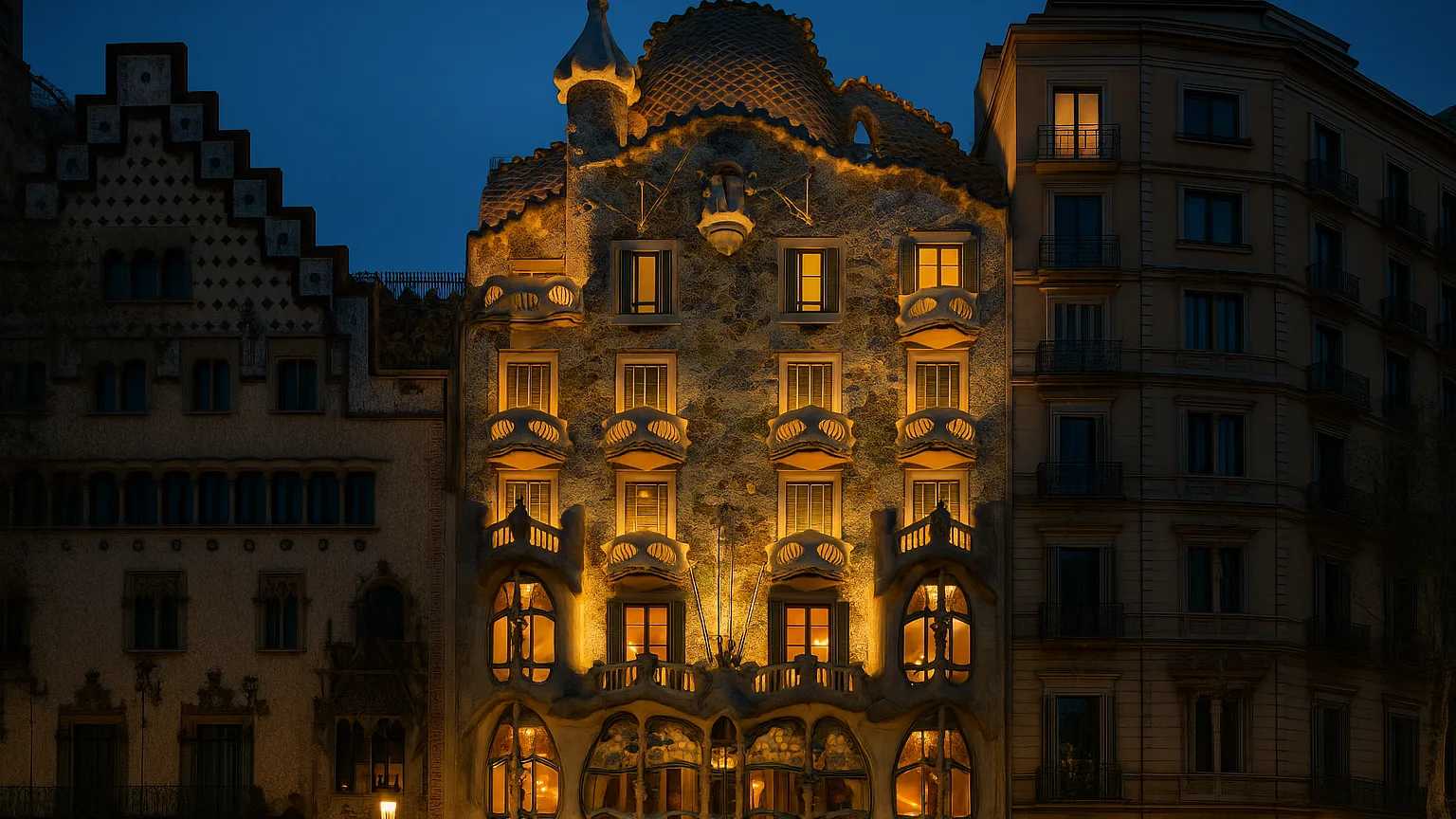
Who you are travelling with changes the decision. A solo visitor may enjoy a dense route with plenty of historical detail. A family may prefer fewer stops, clear breaks and a route that avoids long stretches standing still. A couple looking for atmosphere might choose a plan with old streets, harbour views and unhurried time in a square.
Think about language as well. A guided itinerary is only useful if the commentary is easy to follow. Check the language of the tour, and whether written material is provided. If the guide switches between languages, the pace and depth may vary. That is not a problem if you know it in advance.
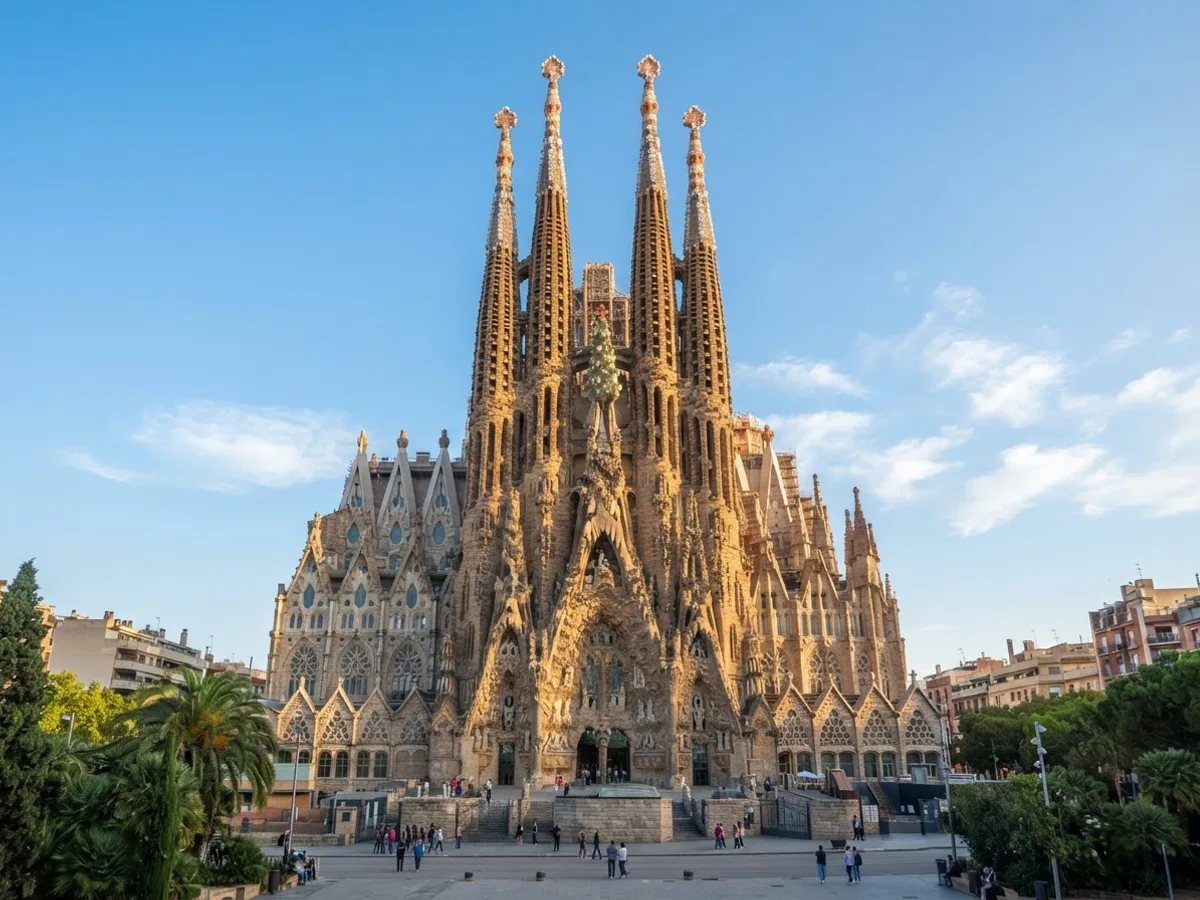
For visitors based in or near Ciutat Vella, the start and finish can matter more than the headline attractions. A route that begins close to your accommodation and ends near where you want to eat or explore next can make the day feel connected. One local option is Sagrada Familia & Barcelona City Tour, and it can be considered alongside other local choices when comparing central options.
Another useful check is how the day handles peak times. Popular streets and landmarks can feel crowded late in the morning and early afternoon. Some routes shift outdoor stops earlier or use quieter side streets to avoid the busiest stretches. Others accept the crowds as part of a central city experience. Neither approach is wrong, but one will suit your patience better.
Compare value, not just duration
When two options look similar, compare what each one actually gives you. Duration matters, but so do entry arrangements, transport, breaks, commentary and the amount of free time. A shorter route with thoughtful stops may be better than a long day that leaves little room to look around.
Read recent reviews for patterns rather than isolated praise or complaints. Repeated comments about pace, meeting points, group size or clarity are more useful than a single glowing line. Look for details that match your own priorities. If several people mention steep steps, long waits or too little time at a favourite stop, take that seriously.
At the same time, keep your own plan in view. A barcelona day tour should support the rest of your trip, not take it over. If you have one full day in the city, a broad route may make sense. If you have several days, it can be better to choose a tour that focuses on one part of Barcelona and leave the rest for independent wandering.
Before you pay, reread the route, timing, inclusions and meeting details in one pass. If anything is unclear, ask for confirmation. It is much easier to resolve a question before the day than in a busy square when the group is ready to leave. Keep the confirmation message and any ticket information close at hand.
Make the final decision with a calm eye
By this point, the right choice should be less about a perfect itinerary and more about fit. Pick the plan that starts at a time you can manage, includes the sights you genuinely want, keeps walking within a comfortable range and leaves enough space for the unexpected. Barcelona is easy to enjoy in small moments, so a little empty time is not wasted time.
Check your route the evening before, including the meeting point and the weather. Wear shoes suited to long stretches on paving, carry water where practical and keep valuables secure in crowded areas. If a plan includes entry to major sites, confirm the timing once more. These small habits help the day run smoothly without turning it into a military operation.
Finally, remember that the best barcelona day tour is the one that leaves you with a clear sense of the city rather than a blur of stops. Whether you choose a route centred on architecture, old streets, food or a mixture of highlights, use the itinerary as a framework. The spaces between the stops are often where Barcelona makes its strongest impression.
Sagrada Familia & Barcelona City Tour is located at Plaça de la Rosa dels Vents, 1, Ciutat Vella, 08039 Barcelona, Spain. The phone number is +34 632 93 79 41.